
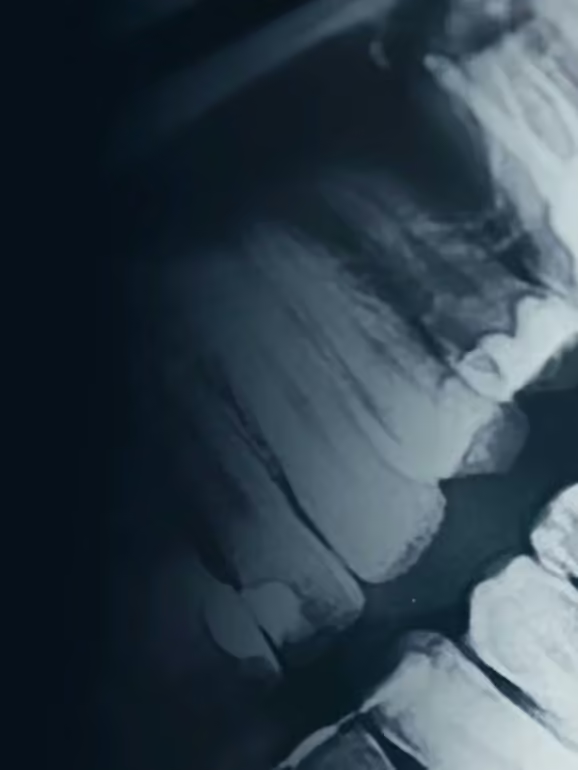
Oral surgery in Gdynia – tooth removal and extractions
Removing a tooth is a last resort, not the first answer to pain. We turn to it when the tooth can no longer be saved with root canal treatment or a restoration, or when its presence threatens the surrounding tissues.
Have a referral, or has it been hurting for a while? Call: +48 786 420 004
4.9/5 43 reviews on Google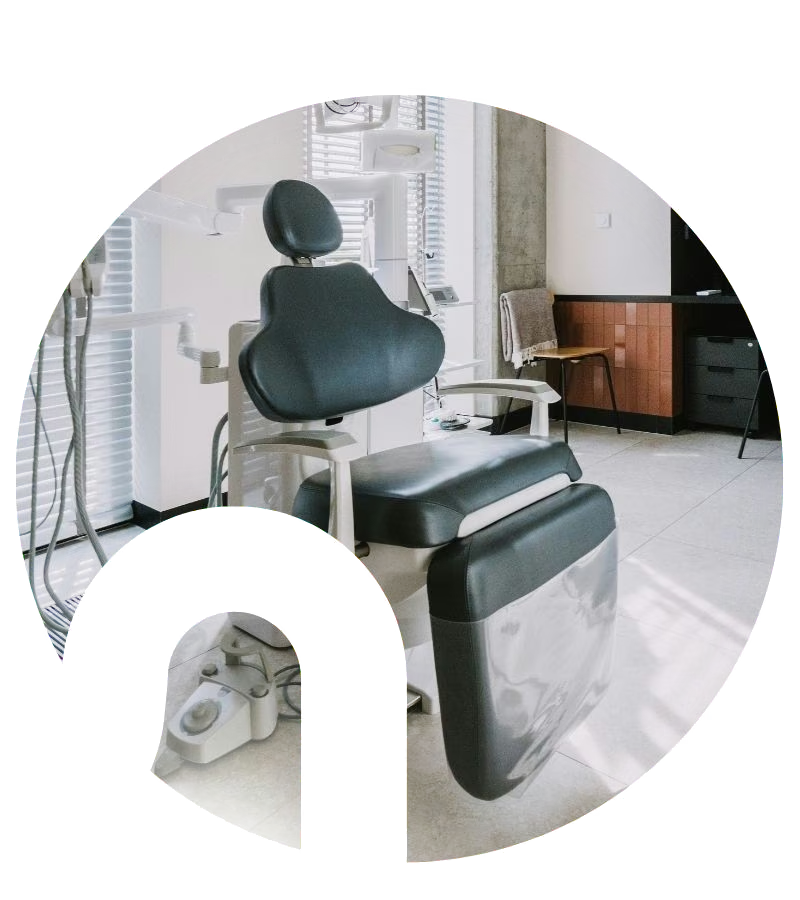
-
CBCT scan before more complex procedures
-
3D diagnostics on site CBCT scanner and TRIOS 5 intraoral scanner
-
One dentist from consultation to result
How do you know this visit is right for you?
My tooth has been hurting for several days and I do not want to wait any longer.
My dentist told me this tooth has to come out.
My wisdom tooth is growing in crooked and starting to push against the tooth next to it.
I have put off dental visits for so long that I am afraid of what I will hear.
I want someone to check first whether the tooth can be saved.
If at least one of these sounds like you, you are in the right place. Before any decision, we assess the tooth on an X-ray and tell you plainly what can still be saved – and if extraction is necessary, we explain why. Nobody here judges you for putting off visits.
How can we help?
The five worries we hear most often before the procedure, and what we do about each of them.
“I am afraid it will hurt.”
If pain is what is holding you back: the procedure is carried out under local anaesthetic, and we check that it is working before anything starts. During the procedure you feel touch and pressure, not pain, and for the time after the anaesthetic wears off you get clear advice on how to stay comfortable.
“The procedure itself frightens me more than the pain.”
If you are afraid of the procedure itself, tell us when you book. Before we start, you hear what will happen step by step and how long it will take, we adjust the pace to you, and you can always take a break. You can read more about this in the section below.
“I do not want anyone to remove a tooth hastily.”
If you are hoping the tooth can be saved, the assessment starts with an X-ray or CBCT scan and with the question of whether root canal treatment or a restoration is still an option. We only suggest extraction once the other options have been exhausted.
“I would rather go to someone who does this every day.”
If you are looking for experienced hands: procedures are performed by Adrian Kiepuszewski, a dentist who has been practising oral surgery and implantology for well over a decade. He plans more difficult cases, such as impacted wisdom teeth, on a CBCT scan before the procedure.
“I am afraid that once I am in the chair, it will turn out to cost more.”
If the price is holding you back: you know the scope of the procedure and the cost after the examination, before the procedure. The difference between a simple and a surgical extraction depends on the position and structure of the tooth, which is visible on the X-ray, so the price does not come as a surprise in the chair.
Tooth extraction in Gdynia: the process at a glance
You will find a full description of each stage further down the page. Here is the shortest version of what to expect.
Three questions we ask before every extraction
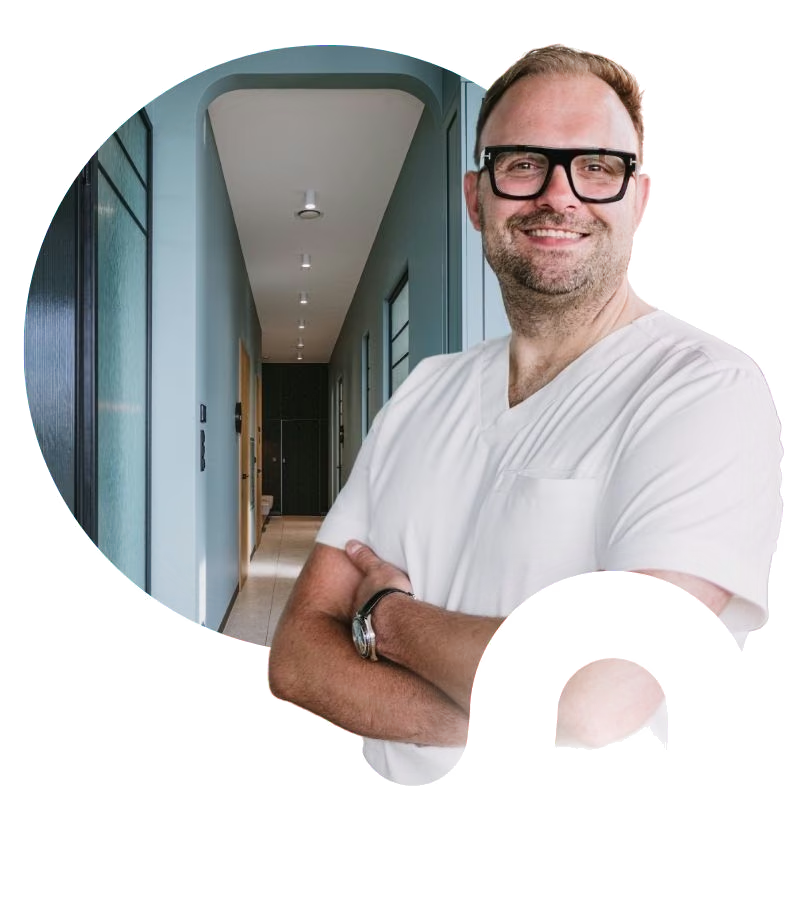
Who will carry out my procedure?
Surgical procedures at Flow Dental Studio are performed by Adrian Kiepuszewski, a dentist specialising in oral surgery and implantology. He plans each extraction on the basis of an X-ray or CBCT scan, and with impacted teeth he assesses the position of the nerves and the maxillary sinus before the procedure.
If you need a restoration after the extraction, the plan is made in the same place and by the same dentist – from the implant to the crown. You can read more about his experience on the About Dr Adrian Kiepuszewski page.
- Oral surgery
- Wisdom tooth and impacted tooth extractions
- Planning on a CBCT scan
- Restoration after extraction
Oral surgery prices in Gdynia
The cost depends on the scope of the procedure and the position of the tooth. Below are the items that most often apply in this area.
The prices given are for information only and do not constitute a commercial offer within the meaning of Article 66 § 1 of the Civil Code. We give a full quote after the examination, together with a treatment plan.
-
dental check-up:200 PLN
-
simple tooth extraction:650 PLN
-
complex tooth extraction:800 PLN
-
surgical removal within the socket:800 PLN
-
wisdom tooth removal:800 PLN
-
impacted tooth removal:1500 PLN
-
root resection, front tooth:3500 PLN
-
root resection, back tooth:4000 PLN
-
clinical crown lengthening, price per tooth:850 PLN
-
bone grafting:from 2500 PLN
-
panoramic X-ray:150 PLN
-
CBCT scan of the upper or lower jaw:250 PLN
You can spread the cost of treatment in instalments.
See the full price list“I had the pleasure (yes, you really can call it that!) of being treated by Dr Adrian for a wisdom tooth extraction I had been dreading for a long time because of severe sensitivity.”
Patient reviews on Google

Very professional and friendly. A visit to the dentist can be a pleasant experience after all. The aligners are comfortable and hygienic, and week by week I can see my teeth straightening. I recommend it.
Translated from Polish
I had the pleasure of being treated by Dr Kiepuszewski at Flow Dental Studio, and I can honestly say he is an exceptional dentist. Wisdom tooth extraction, which so many patients dread, took place in a comfortable atmosphere. Dr Adrian is not only extremely competent but also has a wonderful approach to patients, full of understanding and care. I also decided on aligner treatment. The doctor's precise work and professionalism mean the visits run smoothly and in a pleasant atmosphere. My smile looks better and better, and I know it was the best decision. I recommend him to anyone who dreams of straight teeth without pain or discomfort! The Flow Dental Studio practice itself also deserves a special mention. Modern equipment, a beautiful interior, a pleasant atmosphere and kind, courteous staff make patients feel looked after, and the visit becomes a much more pleasant experience. It is a place that cares not only about healthy teeth but also about the patient's wellbeing.
Translated from Polish
Flow Dental Studio is a place where professionalism goes hand in hand with empathy and care for the patient. I had professional teeth cleaning and fillings there, and I am very impressed by the precision and gentleness of the treatment. Dr Julia and Daria explain everything thoroughly, and the atmosphere at the practice is calm and friendly. It is definitely a practice you can trust completely, which is why I will be back whenever the opportunity arises :)
Translated from Polish
Beautiful practice, professional staff, and the doctor is the GOAT. I didn't even notice when it was over – the nasty wisdom tooth is gone. Highly recommended.
Translated from Polish
It is rare to find places where professionalism goes hand in hand with genuine empathy — but Flow Dental Studio is exactly that kind of place. I had the pleasure (yes, it really can be called that!) of being in Dr Adrian's care for a wisdom tooth extraction I had been dreading for a long time because of severe hypersensitivity. What sets Dr Adrian apart is not only his exceptional skill and precision, but above all his extraordinary respect for the patient's boundaries and feelings. Every gesture and every word – full of calm, understanding and attentiveness – made me feel cared for at every stage of the procedure. A procedure that had filled me with fear turned out to be an almost... soothing experience. No pain, no tension, and great attention to my mental and physical comfort. This is not just dentistry at the highest level — it is the art of creating a safe space in a place usually associated with stress. From the bottom of my heart, thank you to Dr Adrian and the whole Flow Dental Studio team for making it possible to come to you anxious — and leave grateful and smiling.
Translated from Polish
I recommend Dr Adrian. A very professional approach to patients.
Translated from PolishOral surgery in Gdynia: patient questions
Does tooth extraction hurt?
Is fear of extraction common?
When can I eat after the procedure?
Do the stitches need to be removed?
Does removing a wisdom tooth affect the position of the other teeth?
Can two teeth be removed in one visit?
Do I need to take antibiotics before the procedure?
What exactly is a tooth extraction?
It is a procedure in which a tooth that cannot be saved is removed from its socket under local anaesthetic. It can be a simple removal of the whole tooth or a surgical removal in sections – when the roots are curved or the tooth is impacted, as is often the case with wisdom teeth.
The whole thing usually takes one visit and lasts 10 to 60 minutes, and the wound is dressed so that it can heal undisturbed. Oral surgery also includes root resections and preparing the bone for a future restoration.
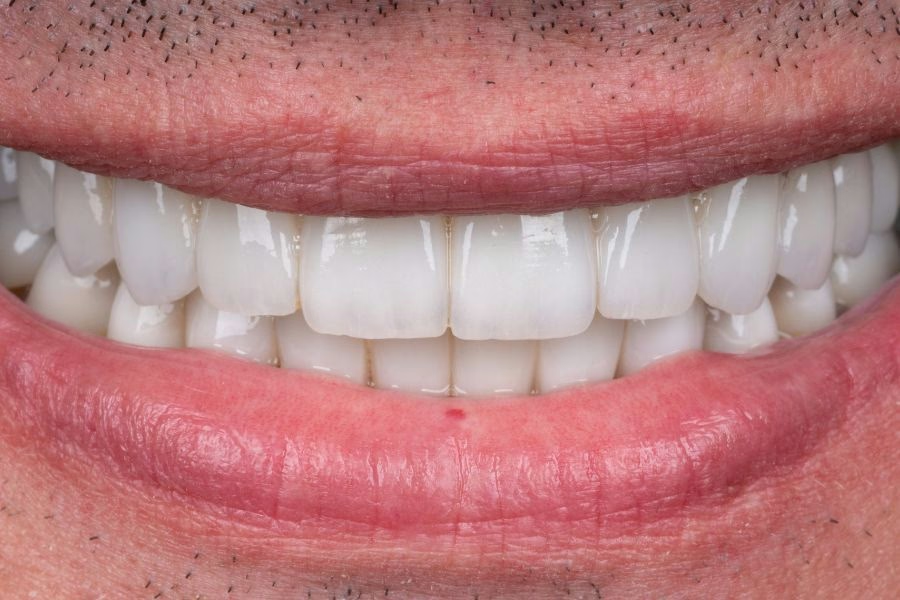
Nervous about the procedure? Tell us when you book
Fear of extraction is more common than fear of root canal treatment, although the procedure itself usually goes more smoothly. Letting us know when you book genuinely changes how the appointment goes.
- Before anything starts, you hear what will happen step by step and how long it will take.
- We check the anaesthetic before we begin. During the procedure you feel touch and pressure, not pain.
- We adjust the pace to you. You can always take a break.
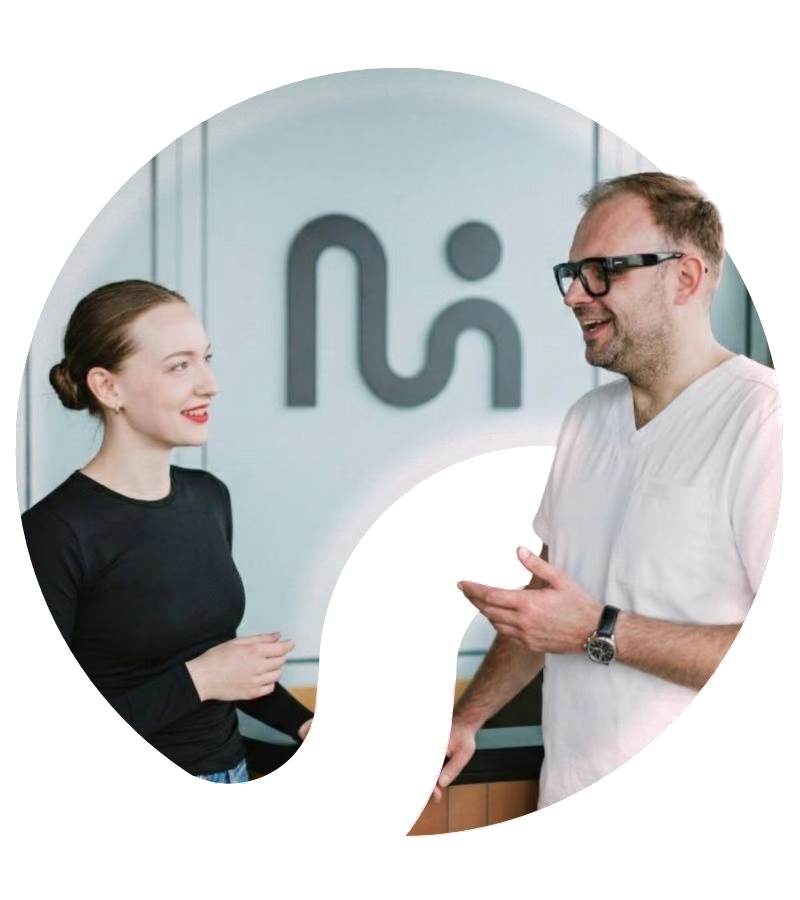
This page is for people who have been referred for an extraction and for patients who have been found to have an impacted wisdom tooth. It is also for those who have been putting off a visit for weeks because they are afraid of the procedure. Here you will find the difference between a simple and a surgical extraction, the procedure step by step, healing time, aftercare advice, a list of complications and prices from our price list. This matters, because most worries come from not knowing, not from the procedure itself.
At Flow Dental Studio in Gdynia we plan surgical procedures on the basis of diagnostic imaging. In more difficult cases we use a CBCT scan, so we know the position of the roots and the course of the nerves before we start.
Oral surgery at Flow Dental Studio in Gdynia: key facts
A simple extraction usually takes 10 to 20 minutes, and a surgical tooth removal 20 to 60 minutes.
Every procedure is carried out under local anaesthetic, so there is no pain during it.
A simple extraction costs 650 PLN, a complex one 800 PLN, and removal of an impacted tooth 1500 PLN.
Stitches, if placed, are removed between day 7 and day 14 after the procedure.
Soft tissue healing usually takes 7 to 14 days, and full remodelling of the socket several weeks.
After the procedure we plan how to replace the missing tooth, to limit bone loss in that area.

What does an oral surgeon do in Gdynia?
An oral surgeon carries out procedures that go beyond conservative and prosthetic treatment. Their work is needed when tissue has to be cut, bone has to be exposed, or a tooth has to be removed that cannot be taken out in one piece.
The scope includes extractions, procedures on the roots of root-canal-treated teeth and preparing the site for an implant restoration. An oral surgeon’s intervention can also be one stage of a wider plan, for example when space needs to be made in the arch before orthodontic treatment.
Whether a procedure is needed is decided by an examination together with diagnostic imaging. Without an X-ray it is impossible to assess the shape of the roots or their relationship to anatomical structures. Both the course of the procedure and the patient’s comfort depend on this.
Oral surgery procedures in Gdynia
Oral surgery covers more than the word extraction suggests. Under one roof there are procedures that save a tooth and procedures that prepare the site after it has been lost.
- simple extraction and surgical tooth removal,
- removal of wisdom teeth, including those impacted in the bone,
- surgical removal within the socket for roots fused to the bone,
- root-end resection after unsuccessful root canal treatment,
- surgical crown lengthening before a prosthetic restoration,
- bone regeneration and sinus lift before implant placement.
Some of these procedures are aimed at keeping a tooth, not removing it. Root resection is sometimes the last chance for a tooth that could not be saved with root canal treatment, which is why we consider it before deciding on extraction.
When is tooth extraction necessary? Indications for removing a tooth
Tooth extraction is a last resort, and we only turn to it when conservative treatment has failed. Your oral health only benefits when the tooth genuinely cannot be saved any more. Below are the situations in which removal is sometimes the only solution.
Advanced tooth decay and infections
Advanced tooth decay can make extraction necessary if the damage extends below the gum line and a well-sealed restoration is not possible. The diseased tooth is then no longer suitable for root canal treatment, because there is nothing to support a crown.
Infected teeth may also need to be removed, especially when a lesion at the root tip keeps coming back despite repeat treatment. A persistent focus of inflammation puts a strain on the body and threatens the bone around the tooth.
Gum disease and loosening of other teeth
Periodontal disease can loosen teeth, because it destroys the bone that holds the root in its socket. Once support has been badly lost, the tooth no longer does its job and at the same time becomes a reservoir of bacteria for the other teeth in the arch.
In some cases, removing one tooth is a precondition for bringing the disease under control in the whole mouth. The decision is made after measuring pocket depths and taking an X-ray.
Extractions before orthodontic treatment
Orthodontic extractions are needed to make space in the dental arch when crowding is severe. One of the permanent teeth specified in the plan, usually a premolar, is removed so that the rest can be aligned correctly. Orthodontic treatment begins once the socket has healed.
Impacted teeth – teeth that have not erupted and have stayed in the bone – can also be an indication. Impacted teeth often need to be extracted because they press on the roots of neighbouring teeth or prevent the arch from being aligned before braces are fitted.
Root fracture and cracked teeth
A vertical crack running the full length of the root rules out treatment. The crack connects the mouth with the jawbone and gives bacteria a permanent route in that cannot be closed.
The situation is similar with a fracture below the bone level. Too little tissue then remains for the tooth to hold any kind of restoration.
Simple extraction vs surgical tooth removal
A simple extraction applies to a fully erupted tooth with straight roots that can be removed in one piece without cutting the tissue. It usually takes 10 to 20 minutes and finishes with a gauze pad being placed.
Surgical tooth removal is used when access is difficult. Surgical extraction is used in complicated cases: with curved roots, impacted teeth, fractured crowns and roots fused to the bone.
The difference lies in the technique, not in what the patient feels. Both procedures are carried out under local anaesthetic; what differs is the extent of work in the tissues and how long it takes.
What does surgical tooth removal involve in Gdynia?
The procedure follows a set sequence, and the patient knows the order of steps before it begins. Every case that needs surgical access goes through the three stages described below.
Anaesthesia and gum incision
The procedure begins with a local anaesthetic covering the tooth and the tissues around it. Once the dentist has checked that it is working, they begin, and during the procedure you feel touch and pressure.
An incision in the gum makes it easier to reach the root and exposes part of the bone surrounding the tooth. The flap of gum tissue is folded back for the duration of the procedure, then returned to its place and stitched.
Sectioning the tooth in surgical extraction
In a surgical extraction the tooth is often removed in sections. Sectioning allows the tooth to be taken out in pieces, which reduces the force on the bone and protects the neighbouring structures.
The surgeon uses special instruments to separate the roots and gradually free the tooth from its socket. When the roots are firmly fused to the bone, surgical removal within the socket is sometimes necessary.
Cleaning the socket and stitches
Once the tooth is out, we clean any remaining tissue from the socket and check that no fragment of root has been left in the bone. This stage is crucial for proper healing.
After the tooth has been removed, stitches are placed, and they are taken out between day 7 and day 14. Finally, the patient bites on a sterile gauze pad so that a blood clot forms in the socket.
Wisdom tooth extraction in Gdynia
Wisdom teeth are the last to erupt, and there is most often not enough room for them in the arch. It is this lack of space, rather than decay, that is often the main reason for removing wisdom teeth.
Impacted wisdom teeth can lead to inflammation in the surrounding tissues. A partially erupted crown creates a pocket that cannot be cleaned. Recurring inflammation, pressure on the neighbouring tooth and a cyst visible on the X-ray are the most common reasons for removing wisdom teeth.
Removing lower and upper wisdom teeth
Removing lower wisdom teeth can be more difficult than upper ones, because the bone of the lower jaw is denser and the roots are more often curved. The inferior alveolar nerve also runs through this area, and its position is assessed on a CBCT scan before the procedure.
Upper wisdom teeth usually have simpler roots but sit close to the maxillary sinus. This proximity also calls for imaging beforehand, because the technique used depends on it.
How long does a tooth extraction take?
How long an extraction takes depends on how complex the procedure is, not on the name of the procedure. A tooth extraction usually takes 10 to 60 minutes.
Extracting impacted teeth calls for a more complex procedure, because it involves an incision, exposing the bone and, most often, dividing the tooth into sections. The actual time spent working in the tissues is shorter than the whole visit, which also includes the anaesthetic and dressing the wound.
Healing after the procedure in Gdynia
Healing after an extraction usually takes 7 to 14 days as far as wound closure and the easing of discomfort are concerned. The full healing process can take several weeks, because the bone in the socket remodels much more slowly than the soft tissues.
The first 24 hours belong to the blood clot. It fills the socket, protects the bone and acts as scaffolding for new tissue, which is why all the advice for this period is about keeping it in place.
In the first few days, expect tenderness, swelling of the cheek and slight oozing from the wound. Pain and swelling are normal after a tooth extraction, and they ease with each passing day.
Normal: the anaesthetic wears off after 2–4 hours, a blood clot fills the socket, and there is tenderness and slight oozing.
Call us if: the bleeding does not stop despite biting on the gauze.
Normal: cheek swelling is at its peak, over-the-counter painkillers keep the pain under control, and it gets easier every day.
Call us if: the pain gets worse instead of easing. This is the typical time for dry socket.
Normal: the wound closes, the discomfort subsides, and we remove non-absorbable stitches.
Call us if: you develop a fever, a discharge of pus or swelling that feels hard to the touch.
Normal: the bone in the socket takes longer to remodel than the gum. This is a good time to finalise the plan for replacing the missing tooth.
Aftercare following tooth extraction
Following your dentist’s advice in the first few days has a greater impact on healing than anything that comes later.
- bite on the gauze pad for about 30 minutes after the procedure,
- apply cold compresses to the cheek in cycles of 10–15 minutes,
- do not rinse your mouth for the first 24 hours,
- eat soft, lukewarm food for the first few days,
- avoid strenuous physical exercise for a few days,
- do not smoke for at least 24 hours.
Smoking delays healing after a tooth extraction because it reduces the blood supply to the wound. The suction created when you draw on a cigarette can also dislodge the clot from the socket.
Over-the-counter painkillers keep pain under control in the first few days. How much pain you feel varies and depends on the extent of the procedure. Avoid products containing aspirin (acetylsalicylic acid), as they increase bleeding. Keep up good oral hygiene from the start, keeping your toothbrush away from the extraction site. The dentist assesses how the area is healing, and any changes in the mouth, at the check-up visit.
Possible complications after extraction
Complications are rare, and most of them can be dealt with if the patient comes back early enough. Complications after an extraction can include infection, prolonged bleeding and swelling that increases instead of going down.
- dry socket – loss of the blood clot, leaving the bone exposed,
- wound infection with fever and a discharge of pus,
- prolonged bleeding from the socket,
- altered sensation after irritation of a nerve in the side of the lower jaw,
- an opening between the socket and the maxillary sinus when upper teeth are removed.
Severe pain after an extraction may point to dry socket and usually appears on the second or third day, when the discomfort should already be easing. The procedure can also lead to nerve damage. Before removing lower wisdom teeth, we assess the course of the nerve on an X-ray, and on a CBCT scan when the tooth is in a difficult position.
What happens after a tooth is removed?
Losing a tooth sets off three processes at once. The bone in that area is no longer under load and starts to shrink. The neighbouring teeth tilt towards the gap, and the tooth in the opposite arch loses its counterpart and gradually drifts out.
That is why it is worth agreeing a restoration plan right after the procedure, even if the replacement itself is made later. For a single missing tooth we most often suggest an implant with a crown, and for larger gaps a restoration supported by several implants.
If there is not enough bone, regeneration or a sinus lift may be needed. The sooner the patient comes back after the extraction, the less likely it is that this stage will be necessary.
Book a visit at Flow Dental Studio in Gdynia
If you have been referred for an extraction or a tooth has been hurting for a while, an examination and an X-ray will show whether it can still be saved. Some teeth that are marked for removal can be kept with root canal treatment or root resection.
The studio is at ul. Arkadiusza Rybickiego 2B/U2 in Gdynia and is open Monday to Friday, from 9:00 to 20:00. You can arrange an appointment by calling +48 786 420 004 or using the contact form.
Read before you decide
How much does root canal treatment under a microscope cost in Gdynia? Prices for single- and multi-rooted teeth, re-treatment and restoration afterwards.
Read more
What causes bone loss after root canal treatment, how to recognise periapical inflammation or a cyst, and the options before a tooth must be extracted.
Read more
What does root canal treatment under a microscope involve? The stages, how long it takes, pain afterwards and restoring the tooth.
Read moreTell us which tooth hurts and since when, or that you have a referral. If you are nervous about the procedure, mention that too – we will adjust the pace and course of the visit accordingly.
Flow Dental Studio
ul. Arkadiusza Rybickiego 2B/U2, 81-340 Gdynia
+48 786 420 004
info@flowdentalstudio.pl
Monday – Friday, 9:00 – 20:00